Loading the lesson
Loading the lesson
Search AllRounder.ai
Search the courses, subjects, tracks, games and features, or jump straight to a page.
Search the courses, subjects, tracks, games and features, or jump straight to a page.
Learn it your way
A short class with Sarah and her students. The other ways are under More.
Sign up free to listen. Transcripts are free to read.

Today, we will explore the Legislature of India, which is the law-making organ of the government. It consists of two houses: the Lok Sabha and the Rajya Sabha. Can anyone tell me what they think a Legislature does?

The Legislature makes laws, right?
Exactly! In India, we have a bicameral legislature. The Lok Sabha is directly elected by the people, while the Rajya Sabha is indirectly elected. Why do you think this separation is important?

It helps represent both the people and the states!
Spot on! This way both the general population and the distinct interests of states are represented. Let’s remember this with the acronym LL for Lok Sabha and RS for Rajya Sabha.

What are the main functions of the Lok Sabha?
Great question! The Lok Sabha makes laws, controls the budget, and debates issues to hold the Executive accountable.

And how about the Rajya Sabha?
The Rajya Sabha reviews laws, amending or suggesting changes, and represents the states in Parliament. Let’s prepare a summary: Lok Sabha directly represents the people, while Rajya Sabha represents the states!

Now, let’s move to the Executive, the organ that enforces laws. Who can tell me who leads this branch?
The Prime Minister!
Correct! The Prime Minister leads the Council of Ministers, executing laws and managing governance. What's the role of the President in this context?
The President is the ceremonial head of the country.
Exactly! The President also appoints the Prime Minister and other important officials. To remember this, think of PP: President-Prime Minister.
What about the role of the bureaucrats?
Bureaucrats implement policies and manage day-to-day affairs. They form the backbone of the Executive, ensuring everything runs smoothly.
Lastly, let’s examine the Judiciary, which interprets laws and protects citizens' rights. What makes the Judiciary so crucial?
It ensures justice!
Right! It also functions independently of other branches. The Supreme Court is the highest court in the land. Can anyone name another level of the court system?
High Courts and lower courts?
Correct! The High Courts handle appeals from lower courts, and the system also includes district courts. Remember, the Judiciary protects Fundamental Rights.
What does Judicial Review mean?
Judicial Review allows courts to annul laws or actions inconsistent with the Constitution. It’s vital for maintaining checks and balances! A good way to remember the importance is with the phrase LJ: Law-Justice.
In India's fight for democracy, the three branches help us see: Legislature makes the law, Executive ensures no flaw, Judiciary brings light to the dark, all together, they leave a mark!
Once upon a time in a parallel world, there lived three wise leaders: a Lawmaker who wrote justice, an Enforcer who kept peace with diligence, and a wise Judge who interpreted fairness. Together, they ensured harmony in their land.
Remember LEJ for Legislature, Executive, Judiciary - the trio of governance!
PPEL - Political Executive (Prime Minister), Permanent Executive (Bureaucracy), Legislature, Judiciary.
Term
What is the Legislature?
Click to flip
Term
Who is the head of the Executive in India?
Click to flip
Term
What does the Judiciary do?
Click to flip
The organ of government responsible for making laws.
The branch that implements and enforces laws made by the Legislature.
The organ that interprets laws and ensures justice.
The Lower House of Parliament, consisting of elected members.
The Upper House of Parliament, consisting of indirectly elected members.
The division of government responsibilities into distinct branches.
The highest court in India, which has the final say in legal matters.
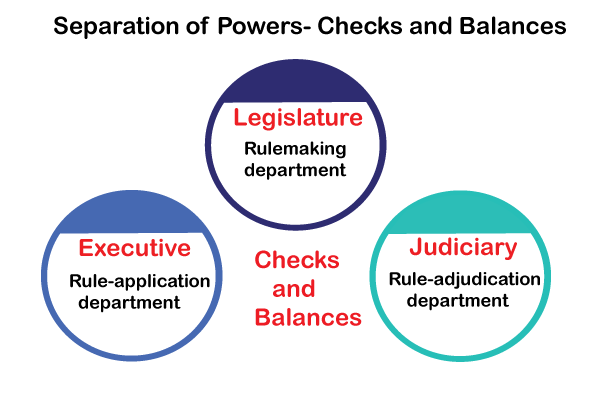
The Indian government consists of three primary organs: the Legislature, the Executive, and the Judiciary, each fulfilling distinct roles to maintain democracy and uphold citizens' rights.
The Legislature, known as Parliament, legislates laws through its two houses: Lok Sabha and Rajya Sabha. The Executive enforces these laws, led by the Prime Minister and President. The Judiciary interprets laws and protects citizens' rights through an independent court system. Together, they maintain a balance of power, ensuring effective governance.
India, being the world’s largest democracy, relies on an efficient government framework marked by the Separation of Powers into three vital organs:
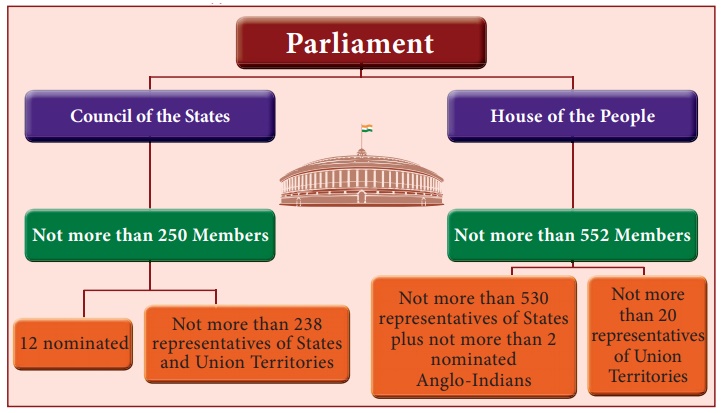
The Legislature is responsible for creating laws in India, comprising two houses:
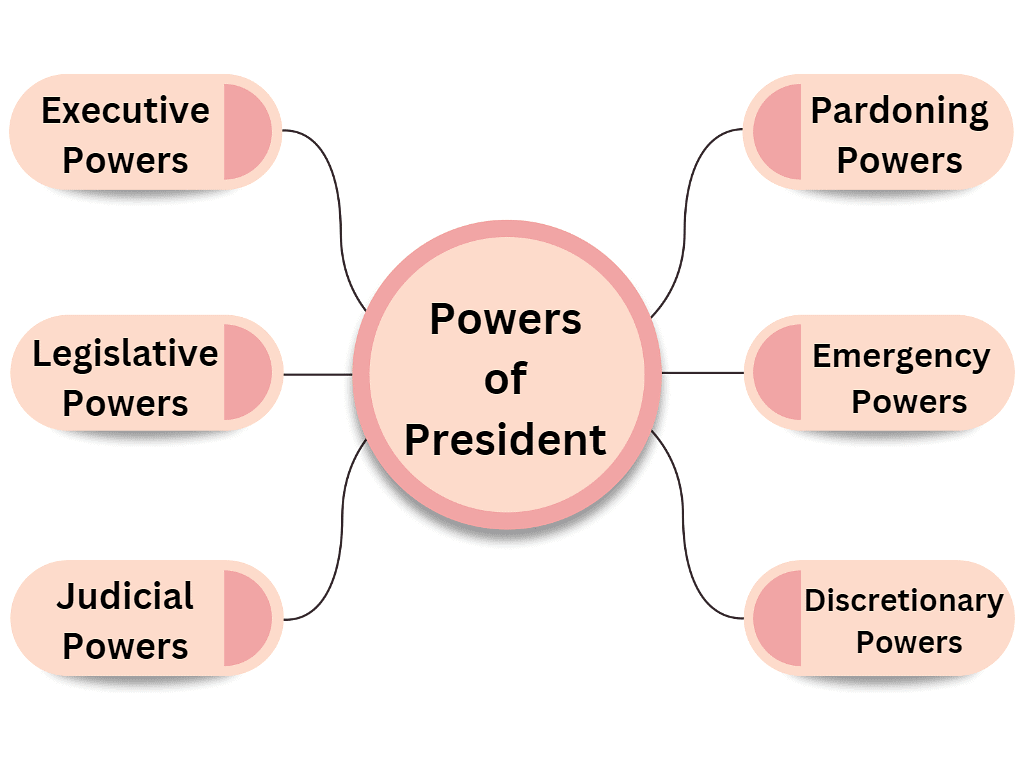
The Executive implements and enforces laws, which includes:

The Judiciary interprets laws and ensures justice independently from the other organs, including:

This division safeguards against the misuse of authority, ensuring each branch operates independently yet cooperatively, preventing any single organ from overpowering the others to uphold democracy.