Loading the lesson
Loading the lesson
Search AllRounder.ai
Search the courses, subjects, tracks, games and features, or jump straight to a page.
Search the courses, subjects, tracks, games and features, or jump straight to a page.
Learn it your way
A short class with Sarah and her students. The other ways are under More.
Sign up free to listen. Transcripts are free to read.

Today, we’ll explore how the British centralized administration in India played a role in unifying its diverse population. This governance structure, although aimed at easing British control, inadvertently brought Indian regions together under one centralized system.

But how did that unify the people if it was mainly for British benefit?
Great question, Student_1! The uniform laws and the English language allowed people from different regions to communicate and share common goals. Think of it as creating one big 'political family.' We can remember this as 'CLOTH' – Centralized Laws Open Togetherness for Harmony.

So, was the presence of the railways also part of this unification?
Exactly! Railways and other means of transport connected distant communities, making it easier for ideas and sentiments to spread. Any other examples come to mind?

What about economic factors? Did they contribute too?
Yes, Student_3! We’ll discuss economic factors in depth later, but keep in mind that exploitation often unites people in shared grievances. Let’s summarize: British governance led to a new sense of shared identity among Indians.

Now, let’s delve into how Western education sparked the nationalist sentiment. Can anyone share what concepts influenced Indian thinkers?

I think ideas like liberty, equality, and fraternity from European philosophers were a big deal.
Absolutely! The teachings of Rousseau, Voltaire, and John Locke inspired many Indians to fight for their rights. Remember: 'READ' – Reflection, Education, Awareness for Democracy.
Were schools like Hindu College and Elphinstone College important in this?
Yes, they were crucial! These institutions educated future leaders who would later advocate for Indian rights. So, what’s the key takeaway from this session?
Education was the first step in waking Indians up to their rights and national identity!
Well said, Student_2! Understanding our history shapes our future. Let’s keep that in mind.
Next, let’s talk about how economic exploitation fueled the nationalism movement. Can anyone explain the 'Drain of Wealth' theory?
It was about how the British were draining wealth from India without any benefit to Indians.
Exactly! Dadabhai Naoroji was one of the prominent voices highlighting this issue. Remember 'WEALTH' – Wrongly Extracted Assets Leave Heartache.
How did heavy taxation affect ordinary people during this time?
It undoubtedly increased poverty and resentment towards British rule. Economic hardships created a common cause for Indians to unite against colonial exploitation. Let’s emphasize: our understanding of economics helps frame social movements!
The press became a vital tool for Indians to express their dissent. Can someone name important newspapers from this time?
I recall 'Kesari' and 'Amrita Bazar Patrika'!
Correct! These publications helped awaken political consciousness. Let’s use 'PRESS' – Powerful Resistance Expressing Sentiments.
Were these newspapers only about writing?
Not just writing! They organized movements and mobilized people. This shows how communication can empower communities!
Centralized governance created a unified political fabric across diverse regions of India.
Influenced Indian nationalism through exposure to ideas of liberty, equality, and fraternity.
British policies undermined local industries, leading to widespread poverty and shared resentment.
Newspapers were crucial in spreading nationalist ideas and mobilizing public sentiment.
The centralized governance by the British allowed people from different regions to unite under common administrative structures.
Key reformers like Raja Ram Mohan Roy and Swami Vivekananda fought against social evils and emphasized national pride.
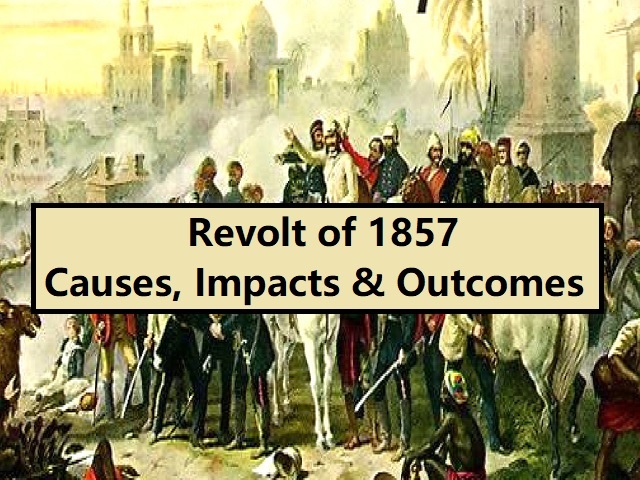
The failed Revolt of 1857 acted as a rallying cry for future nationalist movements.
In the land of spice and sands, Indians united, took a stand.
Imagine a group of Indian college students coming together to discuss ideas of freedom over chai, inspired by Western thinkers. Their conversations ignite a passion for change across the nation.
Remember 'CLOTH' – Centralized Laws Open Togetherness for Harmony to think about political unity.
'WEALTH' - Wrongly Extracted Assets Leave Heartache for understanding economic exploitation.
Term
What is nationalism?
Click to flip
Term
Name a significant economic consequence of British rule.
Click to flip
Term
Who was the first Indian MP in British Parliament?
Click to flip
Loyalty and devotion to one’s nation, with a desire for independence.
A theory highlighting that Britain extracted India's wealth without giving any benefit to Indians.
Movements that aimed to change harmful practices in society and promote reforms.
Indian National Congress, a political organization that led the freedom struggle.
The 19th century in India witnessed the emergence of nationalism driven by British colonial policies, social reform movements, and the spread of Western education.
This section discusses how nationalism grew in India as a response to British colonial rule. It highlights various factors, such as the establishment of a centralized administration, the influence of Western education, the role of the press, and significant social and economic changes that awakened political consciousness among Indians.

The growth of nationalism in India during the 19th century was significantly influenced by various socio-political and economic factors. The centralized governance structure established by the British unintentionally led to a sense of unity among the diverse Indian populace. The spread of Western education played a pivotal role as educated Indians began demanding rights influenced by European ideas of liberty and equality. The English language served as a medium for communication and dissemination of nationalist ideas. Furthermore, the Indian press emerged as a powerful tool for voicing discontent against British rule.
Social and religious reform movements encouraged national pride and unity, while economic exploitation reinforced the shared grievances of Indians against colonial policies. The failed Revolt of 1857 was crucial as it marked the beginning of organized resistance. Additionally, racial discrimination by the British fueled a collective sense of identity and desire for self-rule among Indians. Inspired by international events such as the American War of Independence and the French Revolution, nationalism began to take concrete shape in India. This chapter serves as a foundation for understanding the subsequent rise of the Indian National Congress and the burgeoning freedom struggle that would follow.