
Loading the lesson
Loading the lesson
Search AllRounder.ai
Search the courses, subjects, tracks, games and features, or jump straight to a page.
Search the courses, subjects, tracks, games and features, or jump straight to a page.
Learn it your way
A short class with Sarah and her students. The other ways are under More.
Sign up free to listen. Transcripts are free to read.

Good morning, everyone! Today we'll explore the socio-religious reforms in 19th century India. Can anyone tell me what significant changes were happening during that time?

The British were colonizing India, right? That brought in new ideas.
Exactly! The introduction of Western education and rational thought made Indians question old customs. Let’s remember this with the acronym ‘RACE’ for Reforms in A Challenging Era.

What specific social evils were they trying to address?
Great question! They targeted practices like sati, child marriage, and caste discrimination. Can anyone think of the movements or figures that emerged to tackle these?

What about Raja Ram Mohan Roy?
Yes! He founded the Brahmo Samaj and was a key reformer. Let’s summarize: He focused on abolishing sati and promoting women's education. Well done everyone!

Now let’s discuss some key figures. Who can tell me about Swami Vivekananda and his contributions?

He started the Ramakrishna Mission, right? He wanted to promote spiritual development.
Correct! He emphasized unity among religions and gave an impactful speech at the Parliament of Religions in Chicago. Remember the phrase 'Unity in Diversity' for his message.
What did Syed Ahmad Khan contribute?
Good catch! He founded the Aligarh Movement to promote modern education among Muslims, combating traditional practices like purdah. So, can we think of a summary phrase for him?
Perhaps 'Modernizing the Muslim Mindset'?
Excellent! You’re all grasping these concepts very well!
Let’s wrap up by talking about the impact these reforms had on society. Can anyone name a few outcomes?
The abolition of sati was a huge step!
Absolutely. This not only saved lives but also changed societal views on women. What else?
Women’s education was promoted, too!
Precisely! The push for women's education reshaped the social fabric of India. Remember this concept with the memory aid 'ELEVATE' — Education Leads to Empowerment and Valued Advancements in Traditional norms.
How did these reforms affect Indian identity?
Great insight! The reforms fostered a strong sense of national identity and unity. Those values continued to inspire future generations towards freedom and social justice. Well done, everyone!
Movements aimed at improving social practices and beliefs in 19th-century India.
A key reformer known for abolishing sati and promoting women's education.
A reformer emphasizing spiritual development and social service.
A movement to promote modern education in the Muslim community.
Abolition of harmful practices, promotion of equality, and contributions to Indian nationalism.
In the 19th century, old ways had to go, / With reformers like Roy, wisdom did flow.
Once upon a time in India, there were wise sages like Raja Ram Mohan Roy, who spoke against superstitions and brought enlightenment to save many lives, just like how a light bulb brightens a dark room.
To remember the social evils - 'E-C-C-C-S': Education Denied, Child Marriage, Caste division, Child abuse, Sati.
SHIELD: Sati abolition, Health rights, Inclusive education, Equal opportunities, Laws for widows, Democratic principles.
Term
Year Brahmo Samaj was founded
Click to flip
Term
Sati abolition year
Click to flip
Term
Key focus of the Aligarh Movement
Click to flip
An obsolete Hindu funeral custom where a widow self-immolates on her husband's pyre.
A reformist religious and social movement founded by Raja Ram Mohan Roy aimed at monotheism and the abolition of sati.
A Hindu reform movement established by Swami Dayanand Saraswati promoting Vedic teachings and social equality.
A legal reform enacted in 1856 that allowed Hindu widows to remarry.
A Muslim reform movement founded by Syed Ahmad Khan focusing on modern education and scientific thinking.
The 19th-century socio-religious reform movements in India, influenced by Western education and social issues, aimed to modernize society by abolishing harmful practices.
The socio-religious reform movements of the 19th century in India sought to address social evils like sati, child marriage, and caste discrimination, inspired by newfound Enlightenment ideals brought by British rule. Key figures such as Raja Ram Mohan Roy and Swami Vivekananda played pivotal roles in these reforms.
 The socio-religious reform movements in 19th-century India emerged as a response to the exposure to British colonial rule, which introduced modern education and rational thinking. The period was marked by the questioning of old customs, superstitions, and practices that were deemed unjust.
The movements aimed at eliminating various social evils, including:
- **Sati**: The practice of widow self-immolation.
The socio-religious reform movements in 19th-century India emerged as a response to the exposure to British colonial rule, which introduced modern education and rational thinking. The period was marked by the questioning of old customs, superstitions, and practices that were deemed unjust.
The movements aimed at eliminating various social evils, including:
- **Sati**: The practice of widow self-immolation. - **Child Marriage**: Marrying off young girls.
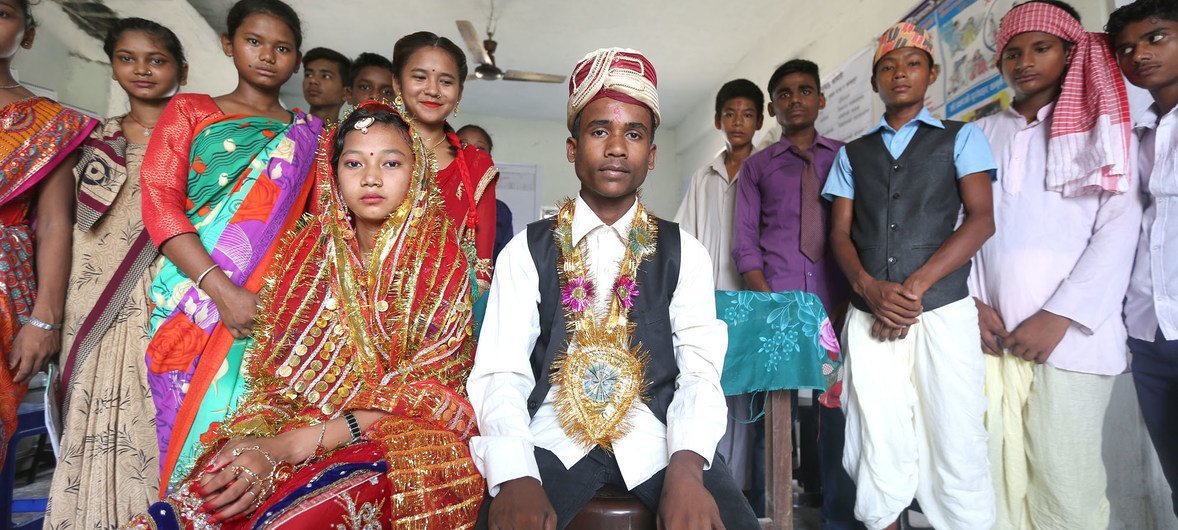 - **Caste Discrimination**: The social stratification that led to untouchability.
 - **Female Infanticide**: The killing of female infants.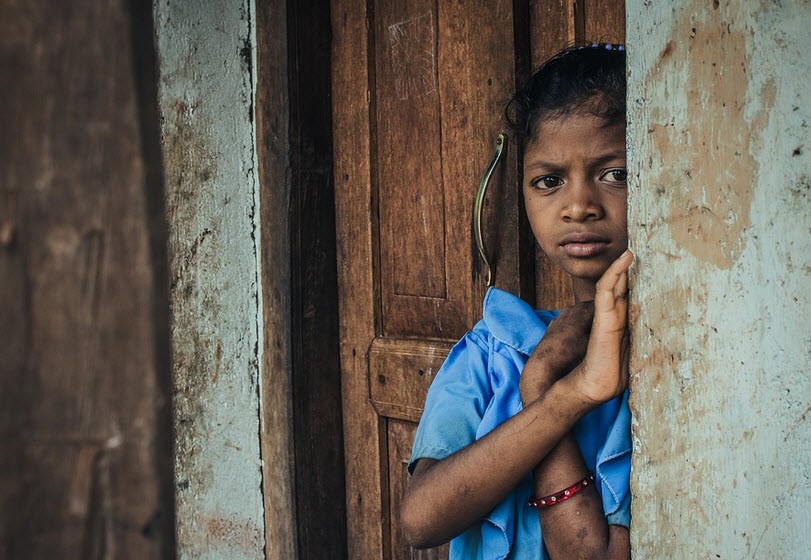
These movements were supported by prominent reformers who advocated for women's education, widow remarriage, and rational thought:
Other movements like the Theosophical Society, led by Annie Besant, sought to revive Indian philosophy and culture. The overall impact of these efforts was transformative, leading to the abolition of practices such as sati, enhancement of women's rights, and a collective push towards modernity in Indian society.