Loading the lesson
Loading the lesson
Search AllRounder.ai
Search the courses, subjects, tracks, games and features, or jump straight to a page.
Search the courses, subjects, tracks, games and features, or jump straight to a page.
Learn it your way
A short class with Sarah and her students. The other ways are under More.
Sign up free to listen. Transcripts are free to read.

Today, we're going to discuss the economic policies introduced by the British, starting with land revenue systems. Can someone tell me why tax collection was crucial for the British?

To make money and support their administration, right?
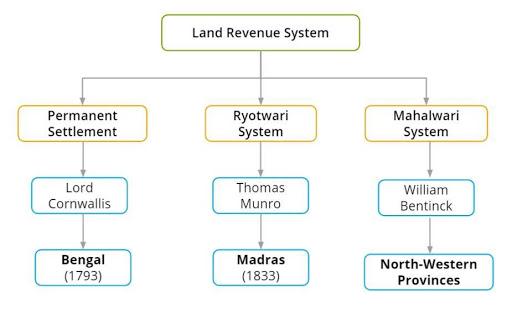
Exactly! One significant method was the Permanent Settlement introduced by Lord Cornwallis in 1793. Can anyone tell me what it entailed?

It made zamindars the landowners who had to pay a fixed revenue to the British.
Great! And how did this affect the peasants?

They were overtaxed and could lose their land.
Correct! That leads us to the Ryotwari and Mahalwari systems that were implemented in other regions. The ryots in the Ryotwari system paid taxes directly. What challenges did they face?

They had to pay taxes during famines, which was difficult.
Exactly! It's important to remember these systems when considering the impact of British policies on Indian society.
To remember the three systems, think of the acronym PRM: Permanent, Ryotwari, and Mahalwari. Let's summarize: The British land revenue systems created severe burdens on both zamindars and peasants, contributing to great hardship.

Let's move on to another major point: deindustrialisation. What do we mean when we say India was deindustrialized during British rule?
It means that traditional industries like textiles were destroyed.
Correct! Can anyone give an example of how this was achieved?
They imposed heavy duties on Indian goods while allowing British goods to enter tax-free.
Exactly! This made it difficult for Indian craftsmen to compete. What was a direct result of this policy?
Craftsmen lost jobs, and many industries declined.
Absolutely. It's vital to remember that the British economic policies were not only about trade; they had severe social consequences. Remember the acronym DIL for Deindustrialization, Industry Loss. Both led to a negative impact on society!
Finally, let’s discuss the commercialization of agriculture. What does it mean for farmers when they are forced to grow cash crops?
It means they're not growing enough food crops for themselves.
Right! This leads to food shortages and can cause famines. Can anyone think of specific impacts on Indian society?
Yes! When farmers grow cash crops, they neglect food crops, leading to starvation.
Exactly! It's essential to connect these points together: the land revenue systems pressured farmers into growing cash crops, which eventually caused widespread famine. A way to remember this is with the acronym CFS: Cash crops, Food shortages, Starvation.
In conclusion, the commercialization of agriculture fundamentally altered Indian society and contributed to the larger issue of economic exploitation under British rule.
The Permanent Settlement system led to zamindars being wealthy, while peasants suffered under heavy taxation, demonstrating socio-economic inequalities.
The imposition of heavy duties on Indian textiles while British products were untaxed, leading to the decline in the Indian textile economy.
In India’s fields, the zamindars made, / While poor peasants often betrayed, / To British hands, their wealth was paid.
Once, farmers thrived with diverse crops. But the British arrived, favoring cash crops like opium. This shift led to empty bellies and sorrowful lands.
To remember the three land revenue systems: PRM - Permanent, Ryotwari, Mahalwari.
CFS for remembering: Cash crops, Food shortages, Starvation.
Term
Permanent Settlement
Click to flip
Term
Ryotwari System
Click to flip
Term
Deindustrialization
Click to flip
Term
Commercialization of Agriculture
Click to flip
A land revenue system where zamindars were made the landowners responsible for paying fixed revenues to the British.
A land revenue system recognizing peasants as direct landowners and requiring them to pay taxes directly to the British.
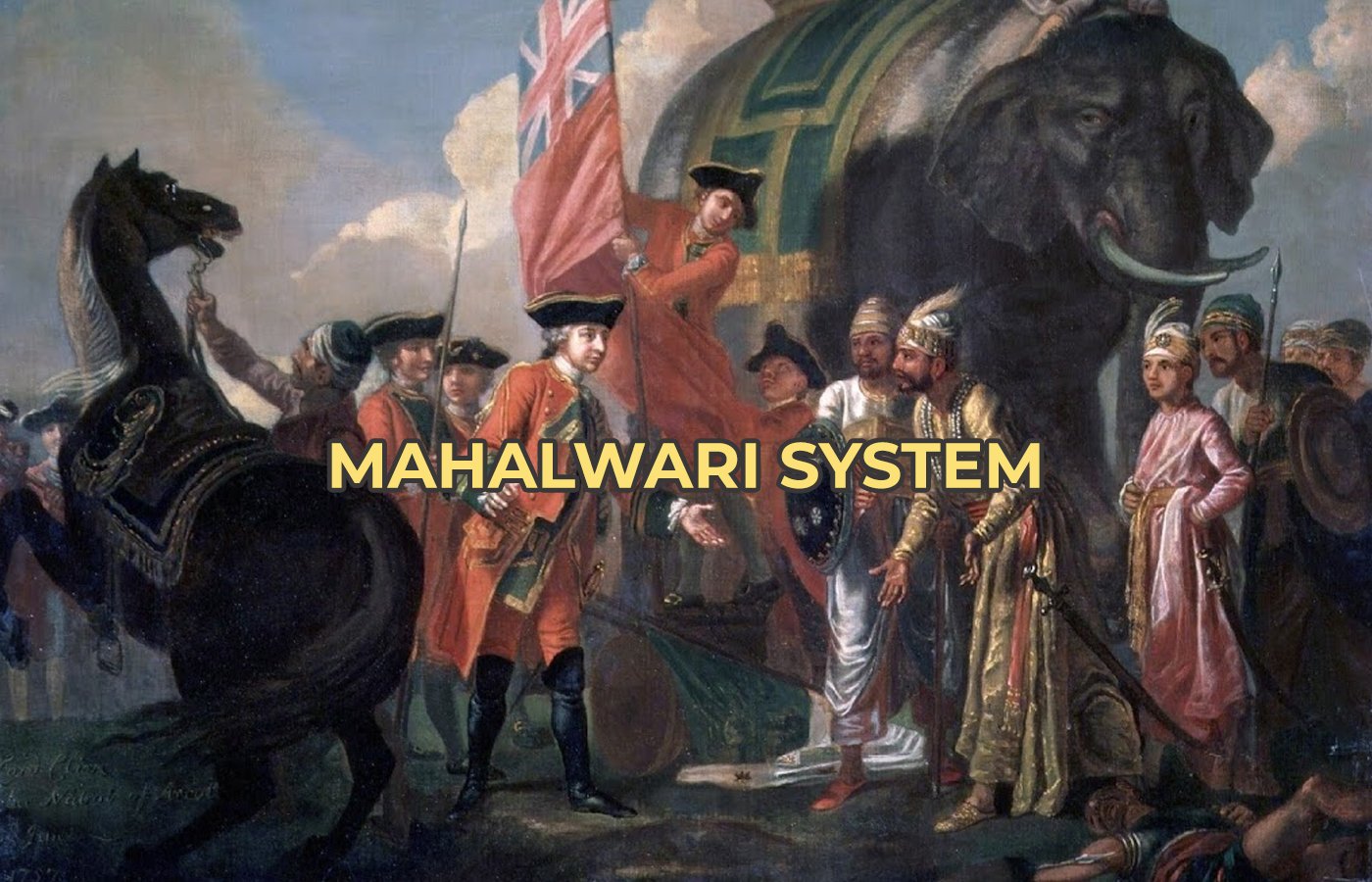
A system where revenue was collected from villages as groups, with village headmen handling tax payments.
The policy of dismantling traditional industries in India to promote British-manufactured goods.
The transformation of Indian farming focused on cash crops for export instead of food crops for sustenance.
British economic policies significantly transformed India's economy, imposing burdens on agriculture and industry while prioritizing British commercial interests.
The British East India Company's economic policies in India focused on land revenue systems, the deindustrialization of Indian goods, and the commercialization of agriculture. These policies imposed heavy taxes on farmers, devastated local industries, and forced farmers to prioritize cash crops, leading to food shortages and social unrest.

The economic policies implemented by the British East India Company profoundly altered India's economy during the colonial period. They introduced various land revenue systems that significantly impacted the agricultural sector and the lives of farmers.