
Loading the lesson
Loading the lesson
Search AllRounder.ai
Search the courses, subjects, tracks, games and features, or jump straight to a page.
Search the courses, subjects, tracks, games and features, or jump straight to a page.
Learn it your way
A short class with Sarah and her students. The other ways are under More.
Sign up free to listen. Transcripts are free to read.

Welcome, class! Today, we're diving into what a computer network is. Can anyone tell me what they think it means?

Isn’t it just a way for computers to talk to each other?
Exactly! A computer network is a group of interconnected devices that communicate and share resources. This includes computers, printers, and various devices connected to the internet.

So, does that mean when I send an email, I'm using a network?
Correct! Sending an email is a perfect example of how we use networks for communication. Just remember, networks enable resource sharing and efficient communication.

What kind of resources can be shared?
Great question! Resources can include files, printers, and even internet access. This is what makes networks so valuable.

What are the benefits of having a network?
The benefits include resource sharing, enhanced communication, better data management, and cost efficiency. Each of these plays a vital role in how we interact with technology daily.
To summarize, a computer network connects devices for communication and resource sharing. Understanding this helps us appreciate the technology we frequently use.

Now let’s discuss some specific benefits of computer networks. Can anyone name a benefit?
Resource sharing?
Yes! Resource sharing is a key benefit. When devices are connected, they can share printers and files without needing separate devices for everyone, which is more efficient.
What about communication?
Absolutely! Communication through networks allows for emails, chats, and even video calls, making it easier to connect regardless of distance. Remember the acronym C.R.D.C., which stands for Communication, Resource sharing, Data management, and Cost efficiency!
How does data management work in networks?
In networks, data management improves by centralizing storage, making backups easier and more reliable. This means less chance of losing important information.
What about cost savings?
Having a network can significantly reduce hardware costs since devices like printers and servers can be shared across users—leading to better budget management overall.
In conclusion, through resource sharing, enhanced communication, centralized data management, and cost efficiency, computer networks are essential for modern technology use.
A system of interconnected devices that communicate and share resources.
Enables multiple users to access shared files and devices efficiently.
Utilizes networks for interactions like emails, chats, and calls.
Centralizes data for improved backup and management.
Reduces hardware expenses by allowing shared device access.
When computers share with ease, Networks help us work with these.
Imagine a town where houses share a library. Each house can read and return books without buying them. This town illustrates how networks allow for resource sharing, just like houses sharing valuable resources.
Remember 'C.R.D.C.' for the benefits of networks: Communication, Resource sharing, Data management, Cost efficiency.
Use the acronym 'C.R.E.D.' - Communication, Resource sharing, Efficiency, Data management.
Term
What is a computer network?
Click to flip
Term
What is resource sharing?
Click to flip
Term
What is data management in networks?
Click to flip
Term
How does communication occur in a network?
Click to flip
Term
What does cost efficiency mean in networking?
Click to flip
A group of interconnected computers and devices that can communicate and share resources.
The ability to share various assets, such as files, internet connections, and peripheral devices among multiple users.
The act of exchanging information through various channels, including emails, chats, and video calls.
The administrative process of collecting, keeping, and utilizing data effectively and efficiently.
The optimization of expenses by minimizing costs while maximizing resources.
A computer network connects multiple devices to share resources and communicate.
Computer networks are essential systems enabling devices to connect, share resources, and communicate effectively. They facilitate various functions such as resource sharing, efficient data management, and effective communication across numerous platforms.
A computer network is a group of interconnected devices, primarily computers, that communicate and share resources, such as files and internet connections. In today’s digital age, the importance of such networks can’t be overstated, as they support fundamental activities like emailing, online gaming, and virtual education.

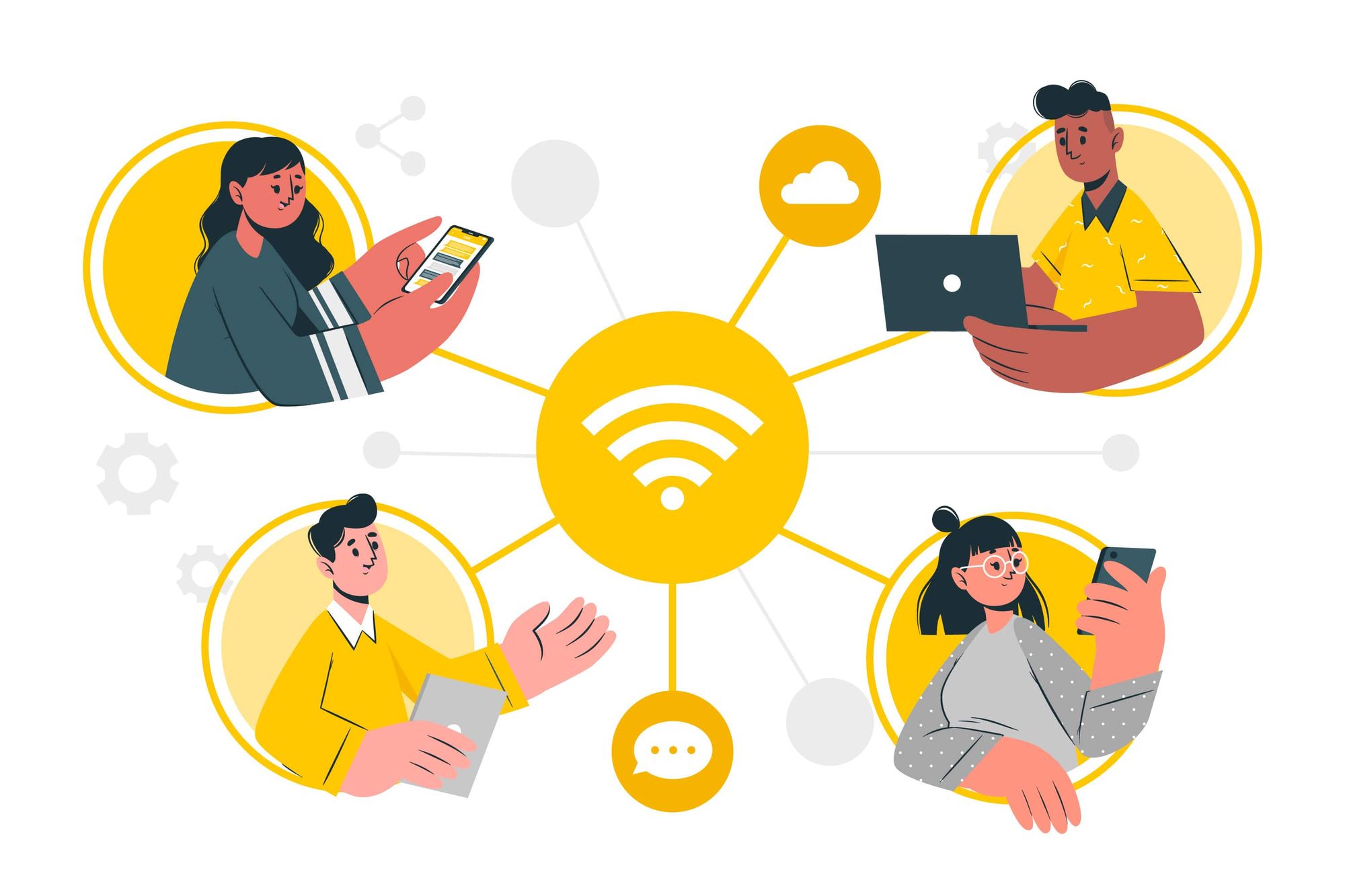
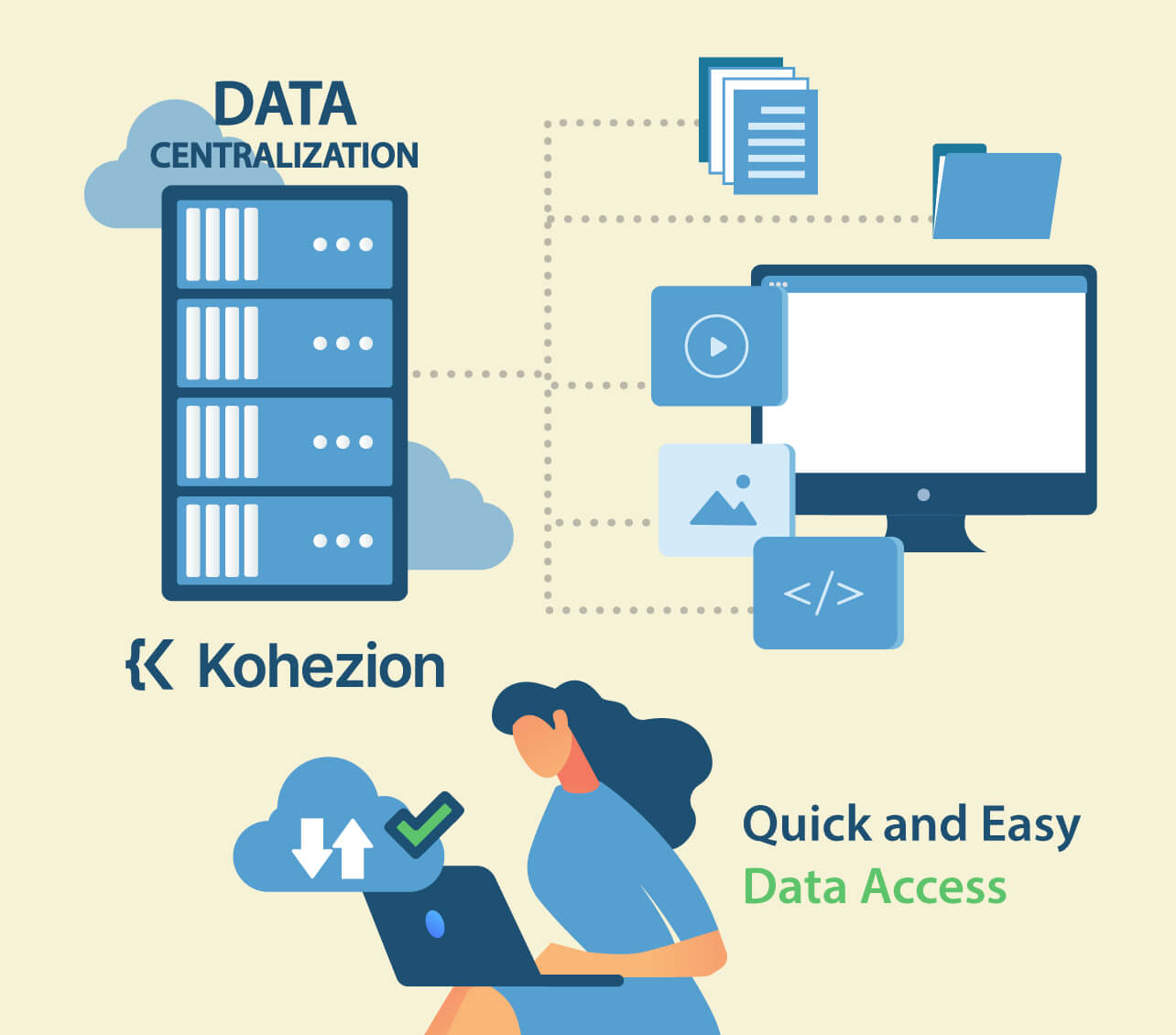

Computer networks form the backbone of modern digital communication and enable organizations and individuals to connect seamlessly.
