
Loading the lesson
Loading the lesson
Search AllRounder.ai
Search the courses, subjects, tracks, games and features, or jump straight to a page.
Search the courses, subjects, tracks, games and features, or jump straight to a page.
Learn it your way
A short class with Sarah and her students. The other ways are under More.
Sign up free to listen. Transcripts are free to read.

Today, we're exploring chemical reactions. Let's start with the definition: a chemical reaction occurs when reactants are transformed into products, resulting in new substances. Does anyone know what reactants are?

Are reactants the starting materials in a reaction?
That's correct! Reactants are indeed the starting materials. When they react, they convert into products. What do we call the new substances formed?

Those would be the products, right?
Exactly! To help remember this, think: Reactants are 'Ready' to change, Products are 'Produced'. Now, what might indicate that a chemical reaction has occurred?

Maybe a change in color?
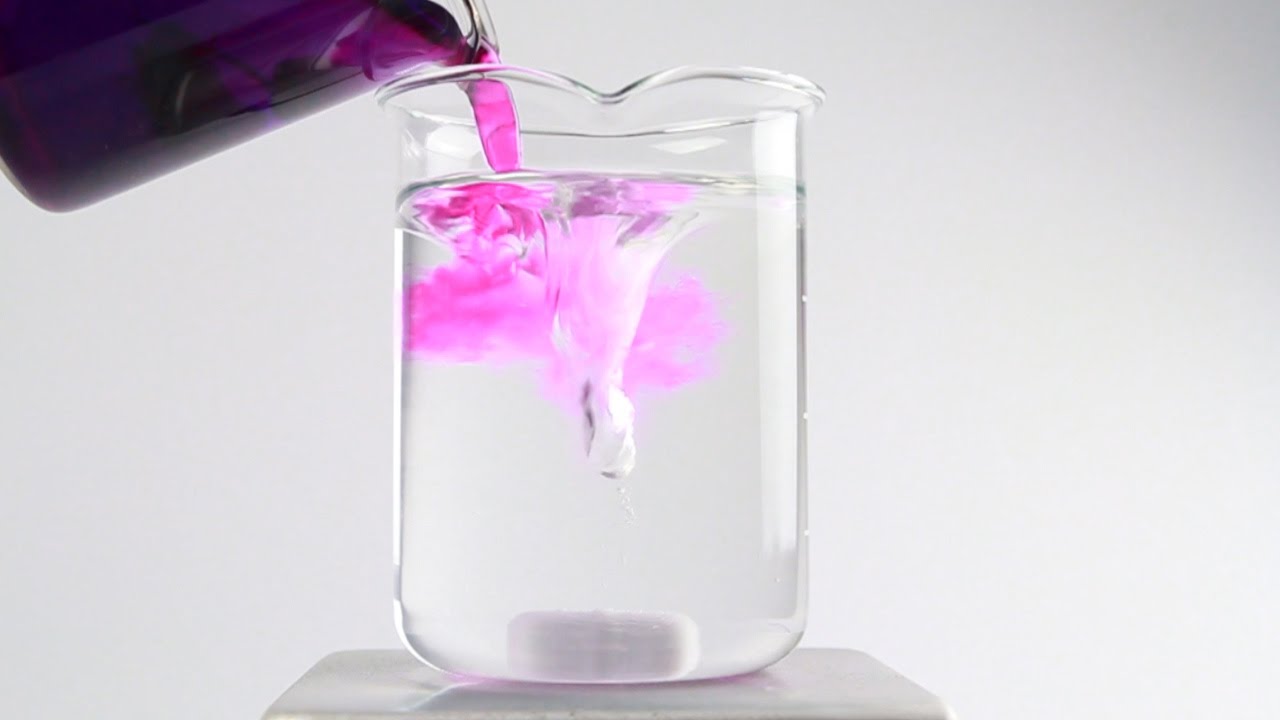
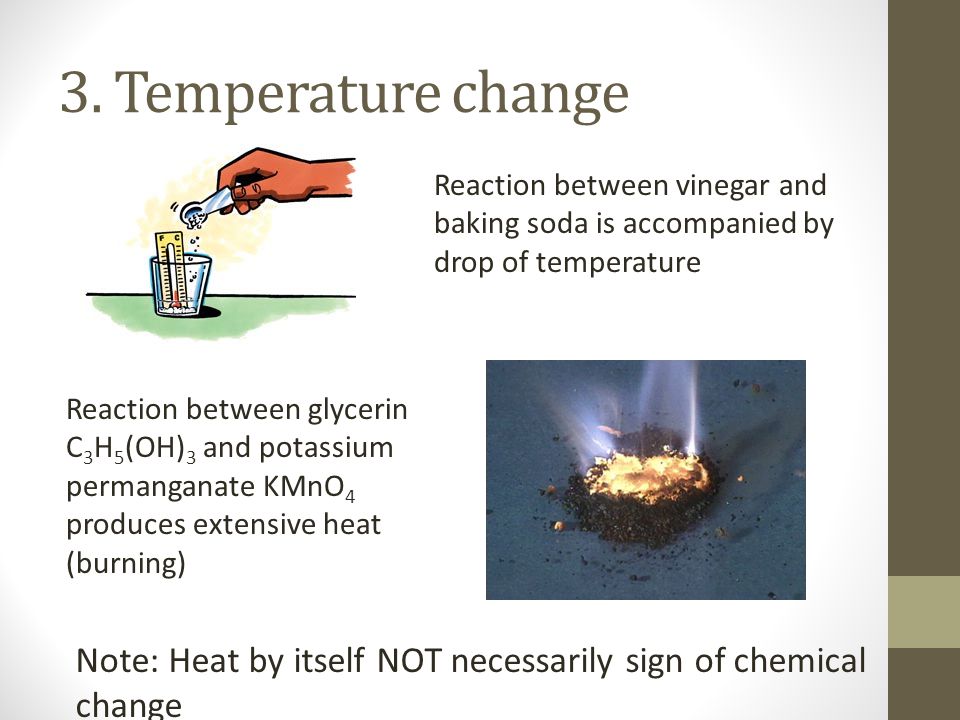
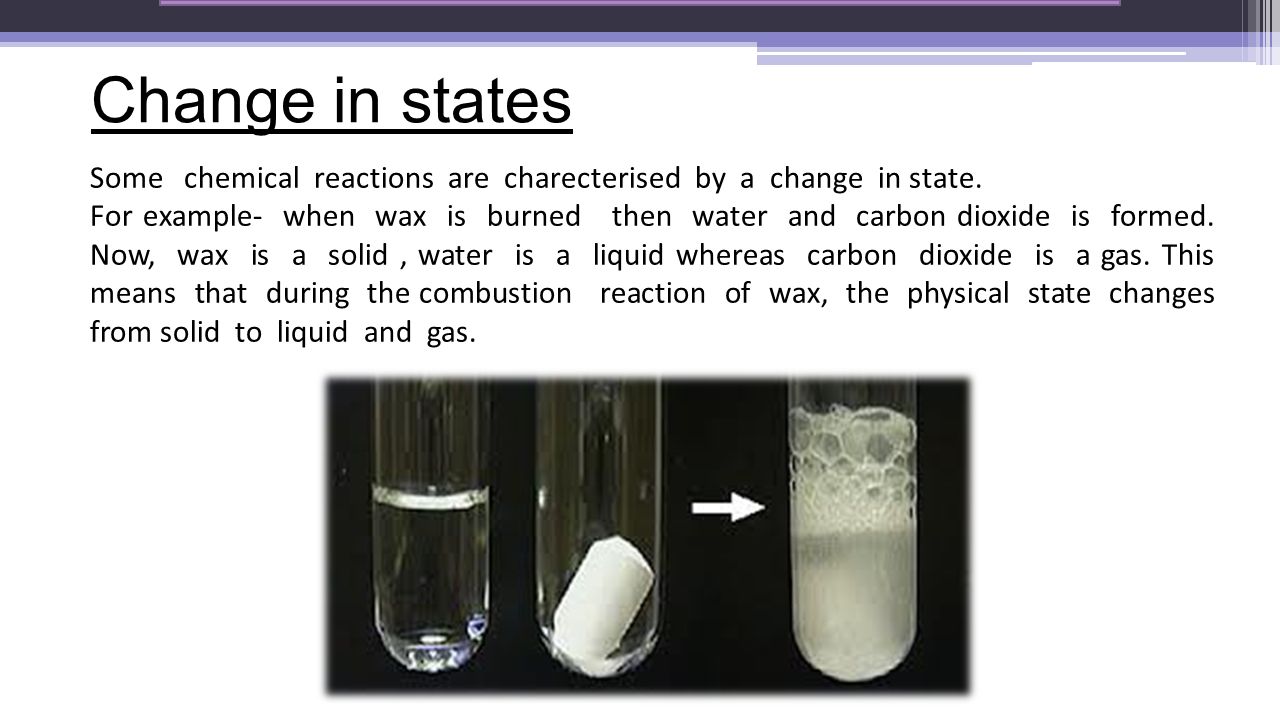
That's one great indicator! There are several, including color changes, temperature shifts, gas formation, precipitate formation, or changes in state.

How do we know if the new product has different properties?
Good question! Different properties can be determined through observation, like texture, color, or through testing, such as solubility. Let's recap: we learned that reactants change into products and we can observe this change through indicators. Who can name one?
Change in color!

Now that we understand what a chemical reaction is, let's delve into its characteristics! Can anyone describe what happens during a chemical reaction?
You mentioned earlier that color changes are a sign of a reaction?
Absolutely! Changes like a color change can indicate a reaction. For example, when iron reacts with copper sulfate, the blue color fades. What else can change?
Temperature can change, too!
Correct! We see this when lime is mixed with water; it becomes hot! This indicates a release of energy. What about gases?
We can get gas when metals react with acids, like hydrogen from zinc and sulfuric acid!
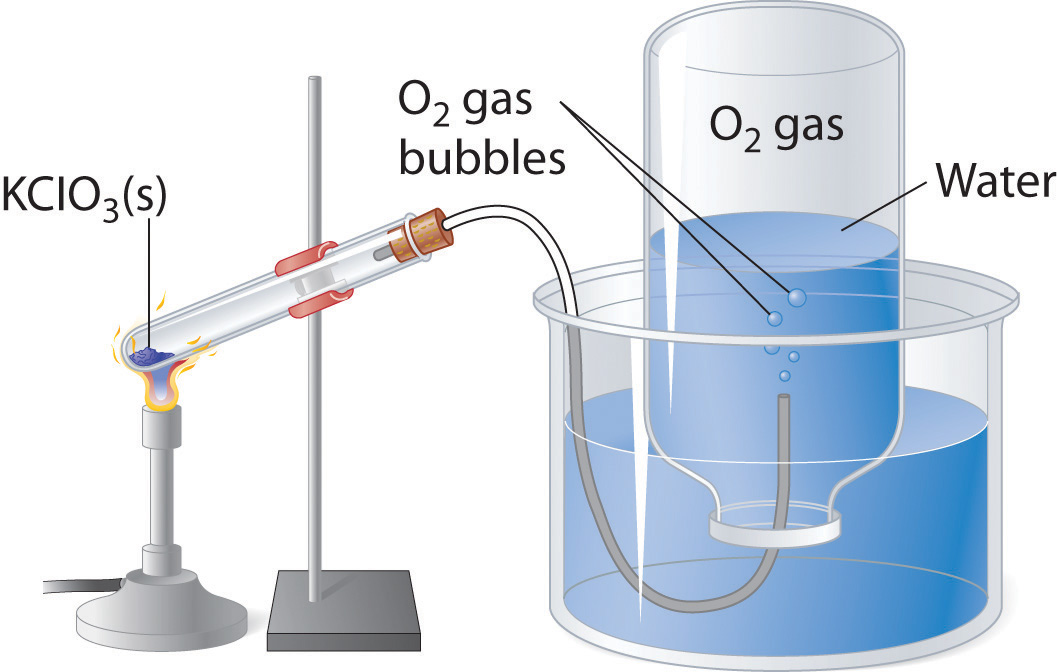
Excellent example! Formation of gas is another indicator of a chemical reaction. Lastly, what happens if a solid forms from two liquids?
That’s a precipitate!
Right! All these characteristics help us identify and confirm that a chemical reaction has taken place. Let’s summarize what we learned.
Now, let's explore the major types of chemical reactions. Can anyone name a type of reaction?
Combination reaction?
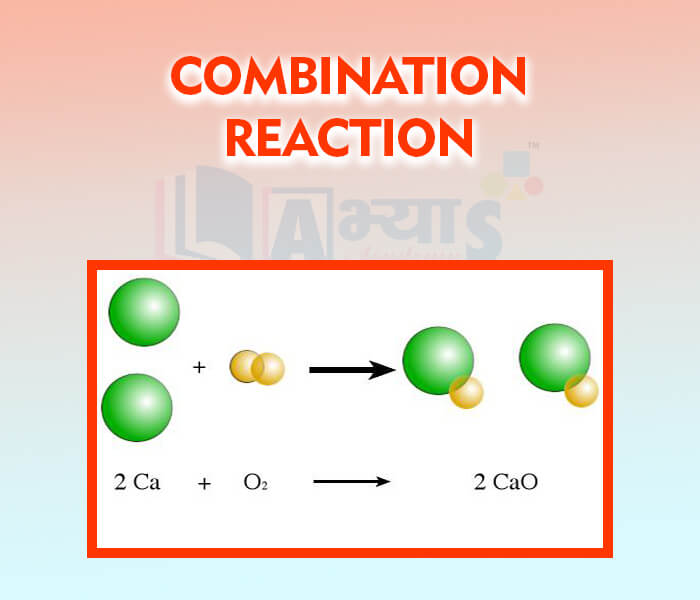
Correct! In a combination reaction, two substances merge to create one product. What’s an example?
Like when carbon and oxygen combine to make carbon dioxide!
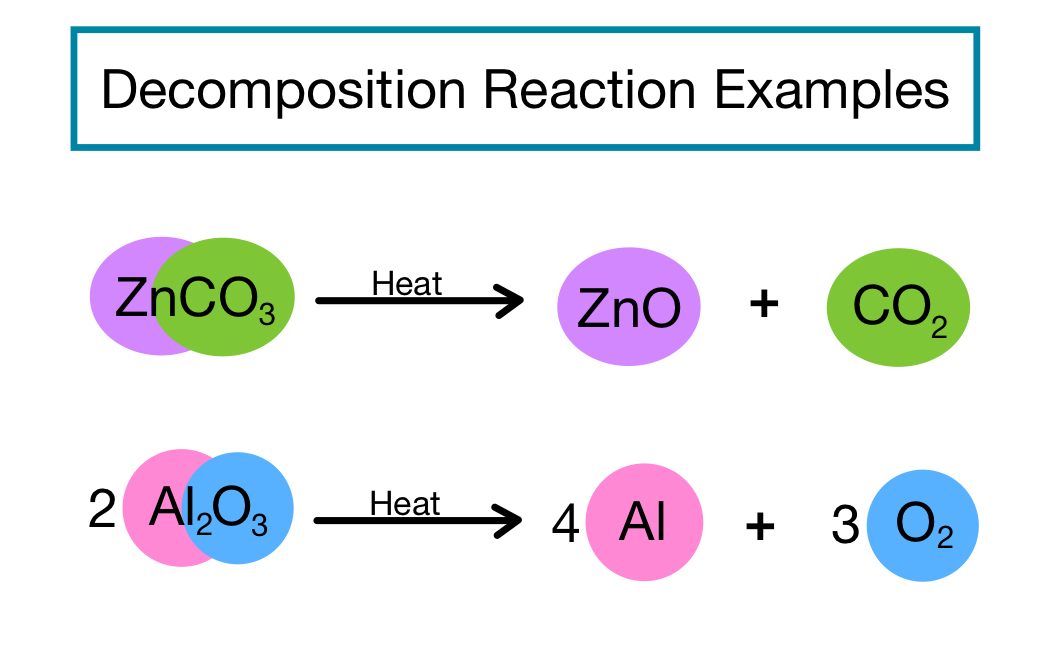
Exactly! Now what about decomposition reactions?
Those are when a compound breaks down into simpler substances!
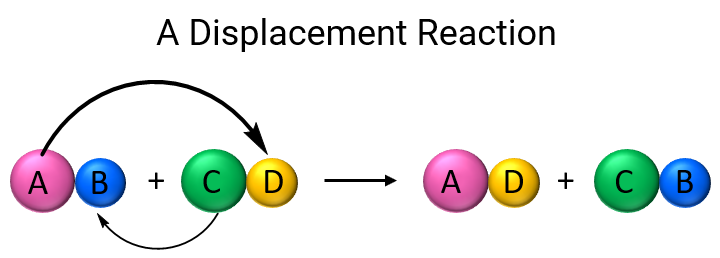
Great! And an example of this would be when calcium carbonate decomposes under heat. How about displacement reactions?
That's when a more reactive element kicks another out of its compound!
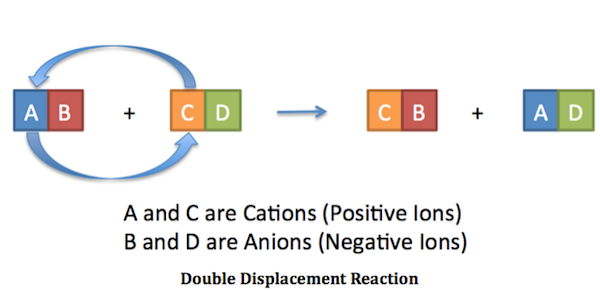
Correct again! And what about double displacement? Does anyone remember this type?
I think it's when two compounds exchange ions!
Absolutely! Let's recap the four main types: Combination, Decomposition, Displacement, and Double Displacement. Each has its unique mechanism and products.
Transformation of substances from reactants to products.
Understanding the difference between starting materials and newly formed substances.
Introduction to various reaction types such as combination, decomposition, and displacement.
Reactants react and products form, in color and heat, the signs are warm.
Imagine a chef combining two ingredients, like flour and water, to create dough. That’s a combination reaction! When you heat it, and it becomes bread, that’s a transformation resulting in new products!
Remember the acronym CDD for chemical reaction types: C for Combination, D for Decomposition, D for Displacement.
Use the acronym CHEM to remember characteristics: C for Color change, H for Heat exchange, E for gas Evolution, M for Making a precipitate.
Term
What are Reactants?
Click to flip
Term
What is a Product?
Click to flip
Term
What indicates a chemical reaction?
Click to flip
Term
What is an Exothermic Reaction?
Click to flip
Term
What is a Precipitate?
Click to flip
A process where reactants are transformed into products with different properties.
Substances that undergo a chemical change in a reaction.
New substances formed as a result of a chemical reaction.
A chemical reaction that releases heat.
A chemical reaction that absorbs heat.
An insoluble solid formed during a chemical reaction.
A chemical reaction is a transformation where one or more substances change into new substances with different properties.
Chemical reactions involve the conversion of reactants into products, characterized by changes such as color, temperature, gas formation, or precipitate formation. Different types of reactions, including combination, decomposition, displacement, and double displacement, are essential to many natural and industrial processes.
A chemical reaction is defined as a process in which one or more substances, known as reactants, are converted into new substances named products. This transformation alters the chemical composition and results in substances that possess distinct properties.

The significance of understanding chemical reactions extends into various fields, impacting processes such as digestion, respiration, cooking, and industrial manufacturing. This foundational knowledge is crucial for students studying chemistry.